
 Login
Login 

Fire & Safety Consultancy
Why Industrial Facilities Need Expert Confined Space Assessors


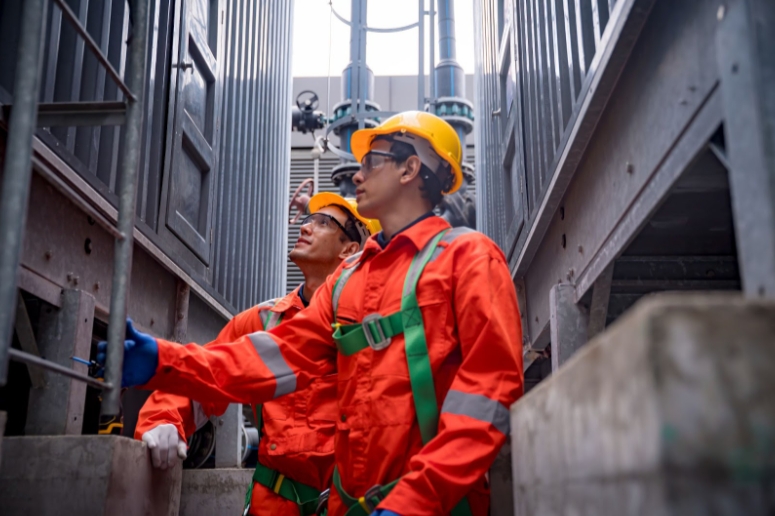
When you think of industrial workspaces, factory floors and busy warehouses likely come to mind.
Such facilities typically come with dangers and hazards, but the most high-risk areas often lie out of sight.
They can be in the confined spaces tucked beneath, behind, or within the facility’s core systems. These include tanks, pipelines, or silos, spaces that are vital to operations but extremely hazardous to enter.
Unlike open work areas, confined spaces were built for storage, flow, or containment, not for people. They lack proper ventilation, have tight or awkward entry points, and offer little room to move, let alone escape in an emergency.
Inside, workers may be exposed to toxic fumes, flammable gases, or sudden drops in oxygen levels. A single entry without proper precautions can quickly turn deadly.
That’s why sending just anyone in isn’t an option. Before a single person enters a confined space, a trained confined space assessor must evaluate and control all potential hazards.
Let’s take a closer look at why an expert confined space assessor is essential for risk management in an industrial facility.
What Is a Confined Space Assessor and Why Does It Matter?
A confined space assessor is the person responsible for ensuring a confined space is safe before anyone goes in.
These are specially trained professionals who understand the risks involved and know exactly what to look out for.
No one should enter a tank or pipeline until the confined space assessor has endorsed the entry permit and submitted it to the authorised manager.
Aside from endorsing space entry permits, here are some other duties of a confined space assessor:
- Test the air before anyone enters:They use a suitable, properly calibrated instrument to test for safe oxygen levels, flammable gases or vapours, and toxic substances that can be harmful to inhale.
- Document and record all test results:All test results are recorded on the permit, creating a clear safety trail and helping the team stay compliant with regulations.
- Ongoing monitoring and periodic testing:The confined space assessor must test the atmosphere at intervals necessary to evaluate safety while the person is entering or working inside the confined space. They are also responsible for recording the results of each test.
- Plays a key role in overall risk management:Their assessments feed directly into the confined space permit-to-work process, which is central to any industrial facility’s risk control strategy. Without their evaluation and sign-off, entry should not proceed.
Dangers of Confined Spaces in Industrial Settings
Confined spaces can be found across many industrial settings, each presenting its own set of potential hazards.
The table below outlines some common types of confined spaces and the associated dangers typically found in them.
Confined Space |
Hazards |
|
Tanks |
Toxic gas buildup, lack of oxygen, explosion and fires (when combustible materials are stored) |
|
Silo |
Exposure to extreme heat, injuries from excessive noise levels, risk of slips, trips, and falls, and breathing in toxic fumes or gases |
|
Sewers |
Unsafe air quality (low oxygen, toxic or flammable gases), slips, risk of engulfment or drowning, excessive noise, poor visibility, limited communication, and hard-to-reach exits |
|
Manholes |
Being exposed to toxic gases and waste materials, depletion of oxygen levels, heat-related stress, slips, and falls |
|
Electrical Vaults |
Electrical risk, atmospheric hazards, biohazards, and high-voltage system hazards |
Being aware of these risks is the first step toward working safely.
Proper evaluation by an expert confined space assessor and the presence of a confined space rescue standby team can help ensure a swift response in case of emergency.
Why Certification and Expertise Are Non-Negotiable
According to Singapore’s Workplace Safety and Health (Confined Spaces) Regulations , no one is allowed to enter or work in a confined space unless there’s been a proper evaluation has been conducted and a valid confined space entry permit has been issued. And that’s not something just anyone can handle.
The law requires that only competent people be appointed as the authorised manager and the confined space safety assessor—they’re the ones responsible for testing the air, reviewing risks, and making sure all the safety boxes are ticked.
Entrusting such responsibilities to untrained or uncertified personnel is a direct violation of these legal requirements.
In fact, before anyone even steps inside a confined space, it’s the company’s duty to make sure they’ve had proper safety and health training, including those supervising the work.
Skipping these steps can come with serious consequences: up to $50,000 in fines or 2 years in jail.
That’s why investing in a proper Confined Space Assessor Course, or bringing in expert support through WSHO/WSHC advisory services, isn’t just helpful, it’s essential. It keeps your team safe, your site compliant, and your business protected.
Confined Space Assessor Courses in Singapore
For individuals and teams looking to work safely and effectively in enclosed environments, enrolling in a confined space assessor course in Singapore can equip them with the skills to assess hazards, monitor conditions, and implement safety protocols within confined spaces.
In Singapore, you can look for training providers that offer Ministry of Manpower (MOM), SkillsFuture Singapore (SSG), Singapore Civil Defence Force (SCDF), and Singapore Resuscitation & First Aid Council (SRFAC) registered courses.
Throughout the confined space assessor training, participants can expect to gain hands-on experience, learn how to use gas detection equipment, and understand compliance requirements under local regulations.
Typically, most programs are structured around roles such as:
- Performing work in confined space operations
- Supervising confined space work Conducting confined space rescues
At TECS Singapore, we provide all three of these courses, in line with national safety standards.
Ultimately, regardless of provider, completing a confined space assessor course ensures that individuals are trained to assess risks effectively, respond to emergencies, and help maintain a safe work environment.
Importance of Confined Space Rescue Standby and CERT Standby Services
In any discussion about confined space safety, it’s not enough to focus only on the hazards; preparedness is just as vital. This is where rescue and CERT standby services prove indispensable.
Confined space rescue standby means having a trained rescue team on-site and ready to act immediately in case of emergencies like entrapment, gas exposure, or loss of consciousness. This is especially relevant during high-risk operations where every second counts.
CERT Standby Services (Company Emergency Response Team) provides additional coverage with personnel trained in confined space rescue, basic firefighting, and first aid.
Together, these services are essential for ensuring operational safety, meeting legal requirements, and responding quickly to incidents in confined spaces.
Confined space safety starts with trained, certified teams
Confined spaces in industrial settings come with inherent risks, from poor ventilation to the presence of toxic gases. These are not hazards to take lightly.
That’s why facilities need to establish strong safety foundations: certified confined space assessors, proper rescue standby support, and WSH or Workplace Safety and Health compliant processes across every phase of work.
With the right expertise and preparation, companies can reduce operational risk, meet regulatory obligations, and protect lives on the ground.
Partnering with a leadingWSH consultancy in Singaporeoffers access to tailored WSHO/WSHC advisory services and practical training pathways, helping your team work smarter, safer, and with greater confidence in confined space environments.
Find out how we support teams working in confined spaces Talk to us today!


